Search Separators

Getting a Cost-Effective Cream Separator for your Dairy Plant

July 20, 2021 at 11:45 AM
Ten millennia ago, humans domesticated a small herd of wild ox in the Near East. And nearly 4,500 years later, they started milking them. Since then, humanity’s obsession with cow milk has spread into a multi-billion dollar industry and is still growing.
Ever since us clever homo sapiens figured out we could drink cow milk, the biological fact that milk separates naturally from cream has been part of that calculation. We’ve figured out how to make butter, ice cream (yum), cheese, kefir, and more recently, whey protein powders and probiotic yogurts.
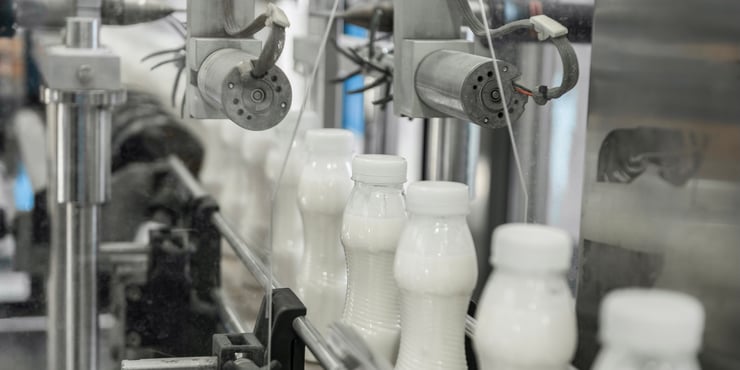
How Automated Centrifuge Controls are Changing Dairy Production
About 150 years ago, mechanized centrifugal cream separators hit the milk processing industry. People’s minds were blown. The technology flew off the shelves, and the dairy world exploded.
Since then, the dairy industry has been able to grow at an unprecedented rate, and people have been wondering: what’s the next big innovation? What’s the next truly game-changing technology that will streamline industrial dairy processing?
Enter automation.
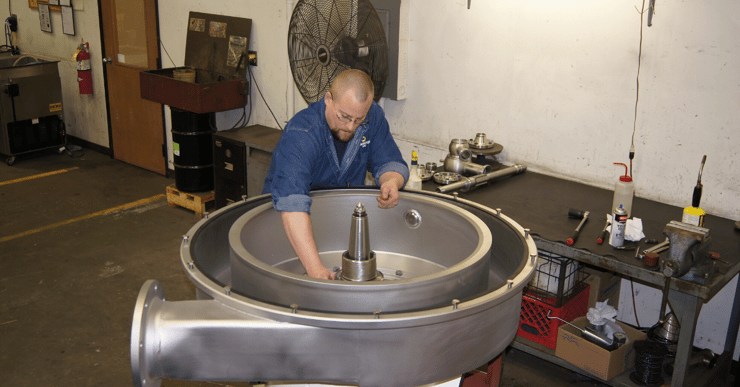
The Real Cost of Delaying Centrifuge Maintenance
June 17, 2021 at 9:15 AM
What does delaying centrifuge maintenance actually cost?
Delaying centrifuge maintenance costs more than the repair itself. Based on Separators' analysis of 4,730 service work orders, emergency major service runs 33% higher than the same job done on a planned schedule — $34,326 on average versus $25,738 for planned major service — with total downtime impact reaching $62,000 to $186,000 per major emergency incident.
Smart facility managers know that preventive maintenance isn't an expense, but rather an investment in your operation's reliability and financial health. Here’s how we can help you make the most of that investment to get — and keep — your centrifuge up and running without substantial downtime or unnecessary steps.
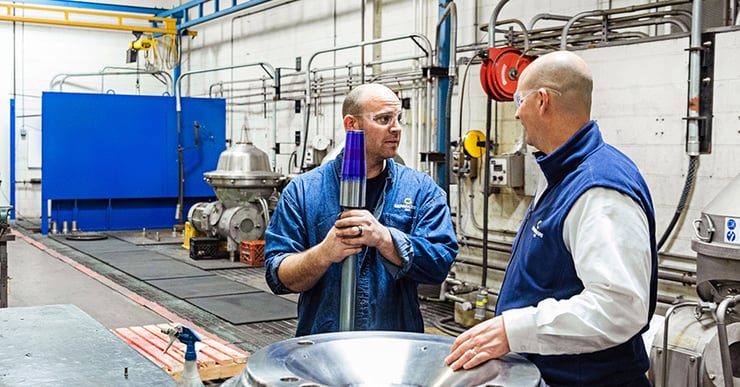
How to Clean a High-Speed Vertical Centrifuge
April 22, 2021 at 7:00 AM
A dirty centrifuge can cause a host of severe problems, ranging from product contamination to costly equipment damage.
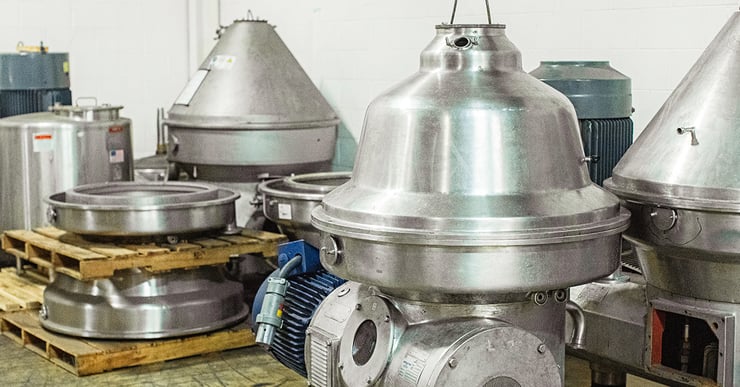
10 Real Life Examples of Centripetal Force in Action
You may not use the term “centripetal force” every day, but you see it in action all the time.
It shows up when a car takes a turn, when equipment spins, and when materials are separated in industrial processes.
.jpg?width=740&name=Sep-Pump-Blog-Image%20(1).jpg)
How Repairing Centripetal Pumps Saved $15,000
March 18, 2021 at 9:05 AM
Sometimes, something as simple as a plant visit can save a facility well over $15,000. Here’s how it happened.
![All About the Separators Parts Department [Video]](https://www.separatorsinc.com/hs-fs/hubfs/Sep-Parts-Tour-Thumbnail.jpg?width=740&name=Sep-Parts-Tour-Thumbnail.jpg)
All About the Separators Parts Department [Video]
October 1, 2020 at 7:15 AM
Having the right replacement parts for your centrifuge equipment can be a real bottom-line saver. If you’ve ever been on the floor when a centrifuge breaks down, you know the mad scramble first hand. Sourcing centrifuge spare parts might not always be easy, but it is always essential. Here at Separators, our parts department’s primary goal is to get you the parts you need as quickly and efficiently as possible. But don’t just take my word for it. Watch this video to hear it from our team.

Introducing the New Separators
September 14, 2020 at 12:00 PM
There’s nothing quite like a global pandemic to help you figure out what’s really important. Lucky for us, we were already working on just that. We were toiling behind the scenes, taking a deep dive into Separators Inc. as a company.
Asking questions like: What kind of people are we? What do we stand for? How do we serve our customers? As it turns out, we had a pretty great idea of who we were, and we’ve been doing a lot of things right, but our exterior was a little behind the times. It didn't show us as a company of experts and craftspeople. A company centered on your centrifuge.
Until now.
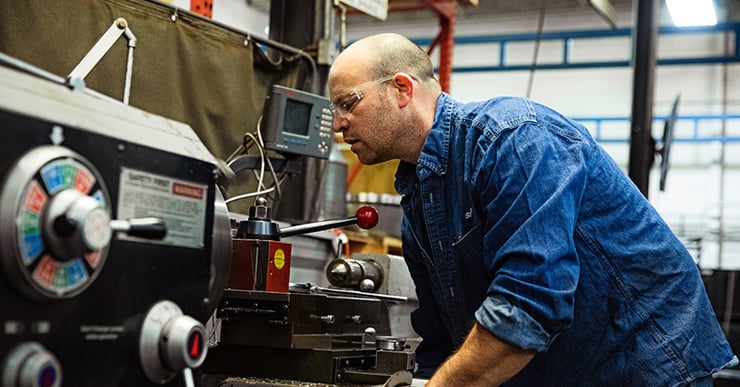
Cost of Maintenances vs. Cost of Downtime
August 3, 2020 at 10:15 AM
Any problems with your centrifuge, no matter how minor, can halt your operations at a moment’s notice. And every minute your equipment isn’t working, you're losing time and money. Centrifuges do their job extraordinarily well, but only if you take the proper care to keep them running smoothly.
![Check Out Our Indianapolis Shop Service Tour [Video]](https://www.separatorsinc.com/hs-fs/hubfs/Blog/Sep-Shop-Tour-Thumbnail.jpg?width=740&name=Sep-Shop-Tour-Thumbnail.jpg)
Check Out Our Indianapolis Shop Service Tour [Video]
July 8, 2020 at 7:45 AM
While we may be best known for field service, where technicians travel to customer facilities and provide on-site service, that’s only part of our service capabilities. At our Indianapolis shop, centrifuge equipment comes to us. We take on the big, the bad, and the ugly. Watch the video to meet a few members of our team and get a tour of our shop.